
A Private Record Made Public
The Gazette emerged from a simple habit: keeping a written record of what was eaten each day, and noting how the plate changed with the seasons. What started as personal observation became, over time, a structured editorial practice — and eventually a publication.
The name Rokan carries no fixed meaning; it was chosen for its rhythm — a sound that felt neither specialist nor faddish, which suited the publication's intention to exist somewhere between food writing and nutritional observation, without claiming authority over either.
From the beginning, the editorial policy was the same: write what you can observe, cite what you can source, and leave the prescriptive claims to others. That policy has not changed.
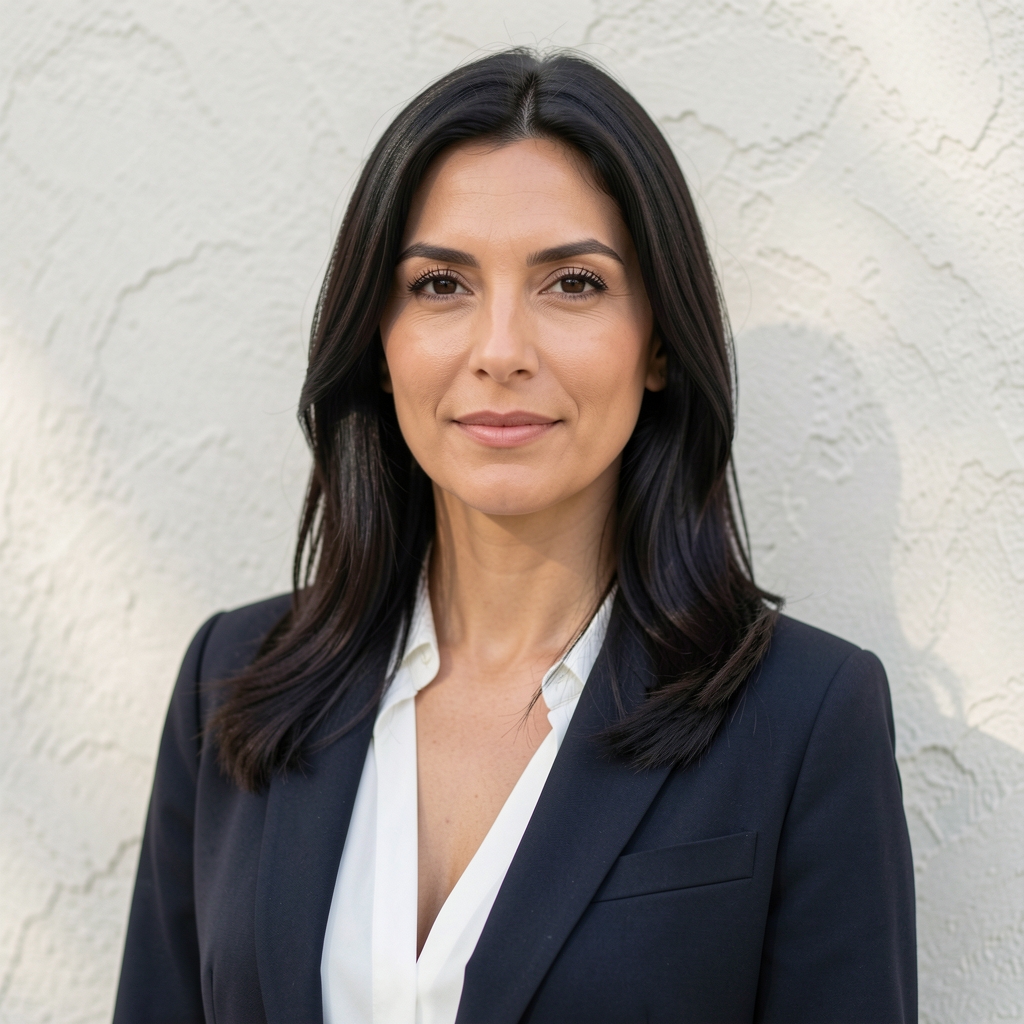
Eleanor has spent twelve years writing about food, weight awareness, and the patterns of everyday eating. Her work draws on nutritional literature and personal observation in equal measure. She founded the Gazette in 2019 after several years contributing to independent food and wellness publications.

Harriet reviews all published articles for nutritional accuracy, cross-referencing claims against peer-reviewed dietary literature. With a background in independent nutritional research and food writing, she ensures that the publication's standards remain evidence-informed and grounded in published sources.

Tobias contributes long-form pieces on active lifestyle, movement patterns, and the relationship between physical activity and eating habits. His writing is grounded in his own disciplined observation practice and draws on published research in sport nutrition and daily movement.
Six Focus Areas That Define the Publication
The Gazette does not attempt to cover all aspects of nutrition or wellness. Its scope is deliberately narrow: the relationship between everyday food choices and body weight, observed through the lens of practical nutritional awareness rather than directive.
Each article belongs to one or more of the six focus areas below. These areas were defined in the publication's first editorial meeting and have remained unchanged since, reflecting the founding belief that depth within a bounded subject is more valuable than breadth across many.
How the availability of seasonal vegetables and fruit shapes what lands on the plate each week, and the corresponding patterns in nutritional balance and body weight across the year.
Observations on portion size, meal frequency, and the daily rhythms of eating — drawn from personal food logs and nutritional literature on eating patterns.
The recorded relationship between activity levels, appetite, and food selection — documented without performance targets, observed as a pattern of daily life.
Extended observations on following a predominantly plant-based meal structure, with an emphasis on nutritional variety and sustained energy from food rather than restriction.
The practice of keeping a written food record as an observational tool — how the act of noting what is eaten changes the relationship with the plate over time.
The role of home cooking and whole food preparation in maintaining portion awareness, ingredient knowledge, and sustainable daily nutrition habits.
"The record matters more than the conclusion. Observation without agenda is rarer than it sounds."— Eleanor Whitfield, Editor-in-Chief, Rokan Gazette, 2019
The Nutritional Framework Behind the Writing
Every article published in Rokan Gazette is reviewed against a nutritional framework developed by Harriet Caldwell, the publication's nutrition editor. The framework draws on published dietary research and is updated annually to reflect significant developments in the nutritional literature.
The framework is not a prescriptive plan. It is a lens through which food choices and eating patterns are observed and described. Articles that conflict with established nutritional evidence are not published — not because the editors claim definitive authority, but because the publication's credibility depends on its alignment with the available research.
Harriet holds a postgraduate qualification in nutritional science from a United Kingdom institution and has practised as a qualified nutrition professional for nine years. Her role at the Gazette is advisory and editorial — she does not offer personal consultations or individual nutritional plans through the publication.
Read Editorial Standards
No commercial sponsorships influence editorial decisions. The publication operates without advertising revenue from the food or supplement industries.
Content published by Rokan Gazette is selected based on published nutritional research and reviewed for editorial accuracy by a second editor before publication.
The Gazette records and describes patterns in food choices and weight. It does not prescribe, recommend plans, or present its observations as guidance for any specific individual's routine.
The editorial calendar follows the agricultural seasons. Topics are chosen based on what is available in the market, what is being cooked, and what the nutritional literature says about that produce at that time of year.
Reach the Editorial Office
The editorial team welcomes correspondence on topics covered in the publication, corrections, and reader observations. Write to [email protected] or use the contact form.
Contact formHow Articles Are Written and Reviewed
The publication maintains a written set of editorial standards covering source verification, nutritional accuracy review, and the disclosure of any writer relationships that could influence subject selection.
Editorial Standards